Circular Innovation and Ecodesign in the Textiles Sector
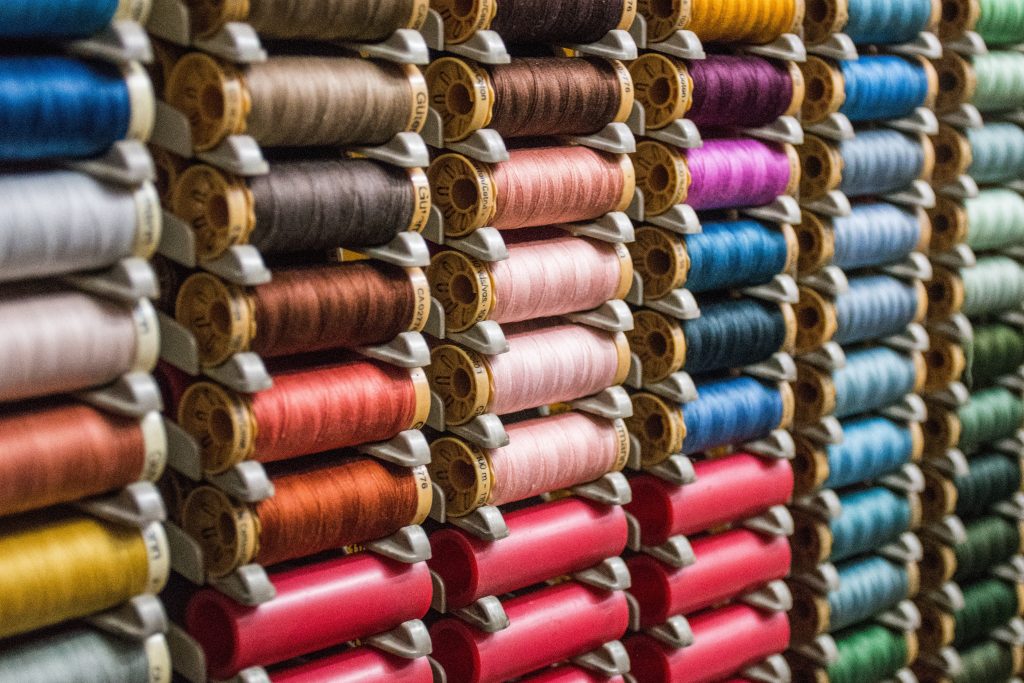
This policy report, commissioned by SITRA (the Finnish Innovation Fund), examines the implications of the EU’s Ecodesign for Sustainable Products Regulation (ESPR) for the global textiles sector, with a focus on the effects on developing country producers. It includes case studies of Bangladesh, Sri Lanka, and Vietnam — three major textile-exporting countries whose economies are significantly dependent on garment exports to the EU market.
The report analyses how the ESPR’s requirements on product durability, repairability, recyclability, and recycled content will affect textile supply chains from production to end-of-life management. It examines the specific obligations that textile producers and exporters will need to meet, including the implementation of Digital Product Passports, compliance with minimum performance standards, and participation in Extended Producer Responsibility (EPR) schemes. A central finding of the study is that while the ESPR has the potential to drive significant sustainability improvements in the textiles sector, its implementation poses substantial challenges for developing country producers. These challenges include the high cost of upgrading production processes and testing equipment, limited access to recycled materials and recycling infrastructure, insufficient technical knowledge of ecodesign principles, and the complexity of traceability requirements across fragmented supply chains.
The report also examines the interaction between the ESPR and other EU sustainability measures affecting the textiles sector, including the CSDDD, the EU Strategy for Sustainable and Circular Textiles, and waste shipment regulations. It argues that the cumulative effect of these measures could create significant market access barriers for developing country producers, particularly small and medium-sized enterprises (SMEs) that lack the resources to navigate complex and overlapping regulatory requirements.
The report concludes with recommendations for policymakers on how to make ecodesign regulation more inclusive, including phased implementation timelines, technical assistance programmes, mutual recognition of conformity assessment, and the establishment of dialogue mechanisms between the EU and key textile-exporting countries.