
Food security in the African Continental Free Trade Area legal framework
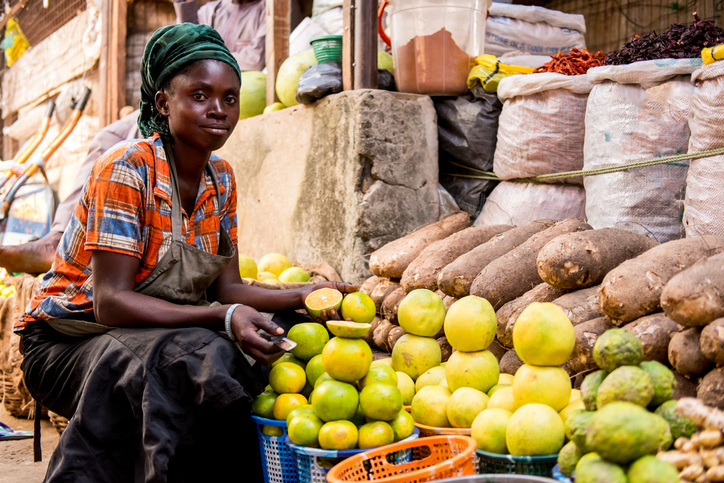
The African Continental Free Trade Area (AfCFTA) has the potential to strengthen food security across Africa by boosting intra-African agricultural trade and improving the resilience of food systems. However, food security is only lightly reflected in the AfCFTA’s legal texts. While the agreement recognises the importance of agricultural development and food security as objectives, it does not include a dedicated agriculture chapter or detailed disciplines comparable to those found in global trade rules.
Despite this limited direct focus, the AfCFTA can still play a transformative role through its broader trade provisions. In particular, reducing non-tariff barriers (NTBs) — such as cumbersome border procedures, divergent food safety standards, and costly certification requirements — could significantly facilitate intra-African trade in food products. Harmonising sanitary and phytosanitary standards, improving customs procedures, and streamlining border processes are likely to have stronger impacts on food trade than further tariff reductions, which are already relatively low in many regional economic communities.
It is to this end that the chapter reviews the AfCFTA’s provisions on NTBs. The first part highlights where the AfCFTA Agreement, its protocols and annexes explicitly refer to food security and agriculture and what these provisions entail, drawing comparisons with the WTO Agreement on Agriculture. The second part turns the spotlight on NTB provisions in the AfCFTA’s legal instruments, examining their implications for intra-African food trade. Finally, in line with an underlying theme of the book on the intersection between trade, food security, and climate, the third part considers the AfCFTA’s environmental provisions, exploring how the agreement’s legal framework can help to mitigate the risks that climate change and environmental degradation pose to African food systems.
Yet these outcomes are not automatic. Realising the AfCFTA’s potential for food security will depend on effective implementation, particularly efforts to remove non-tariff barriers and strengthen regulatory cooperation among member states. Without such efforts, the agreement’s capacity to catalyse agricultural transformation and improve food security will remain limited.
This chapter was contributed by Tulip to How Africa Eats: Trade, Food Security and Climate Risks — published by LSE Press and edited by David Luke of the LSE Firoz Lalji Institute for Africa — a data-led volume examining why Africa struggles with food security despite its vast agricultural potential, and how trade agreements, climate change, and policy frameworks interact to shape the continent’s food systems.