Op-ed in Sustainable Views | Steel decarbonisation: a test case for a new EU-India partnership
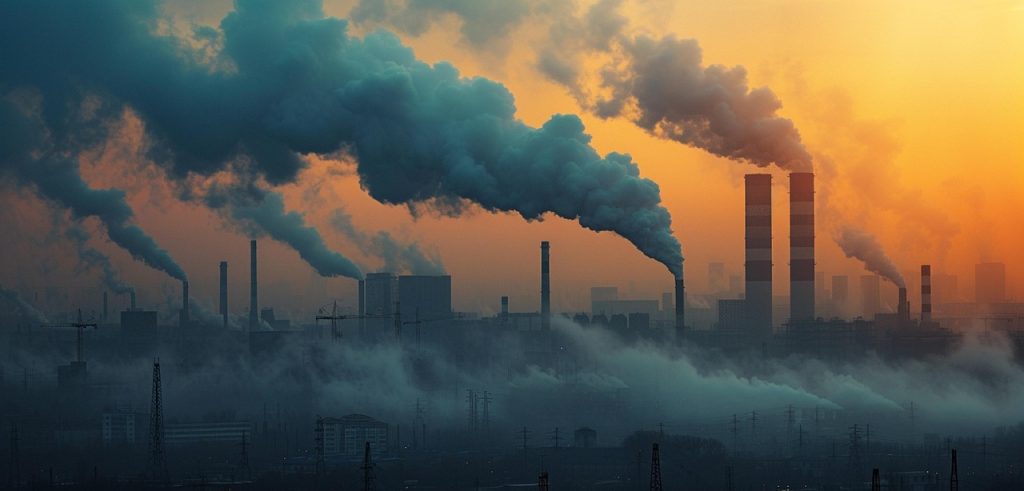
India’s own strategic interests create a compelling case for decarbonising its steel sector
One of the defining challenges of our time is reconciling economic openness with climate ambition. But this cannot happen without factoring in a third component: sustainable development. The evolving relationship between the EU and India offers an opportunity to demonstrate how this triangle can work in practice. The recently concluded EU-India Free Trade Agreement, the Joint Comprehensive Strategic Agenda, and the forthcoming memorandum of understanding on climate co-operation are welcome steps forward and opportunities to pioneer a new model of trade and climate co-operation, grounded in industrial transformation rather than regulatory friction.
The steel sector reveals this most vividly. A recent report by Tulip Consulting, launched last month in New Delhi, explores how stronger EU-India co-operation on steel decarbonisation could generate economic, climate and sustainable development gains on both sides. The starting point for co-operation should not be Europe’s regulatory agenda, but India’s industrial decarbonisation imperative.
From a climate perspective, the case is compelling. Steel is among the world’s most emissions-intensive sectors, accounting for around 7 percent of global carbon dioxide emissions. India’s steel industry is highly carbon-intensive and is expanding rapidly. Emissions intensity remains significantly above the global average, while production is expected to grow dramatically. By mid-century, 20 per cent of global steel production could come from India, compared with 7 per cent in 2019.
This makes decarbonising Indian steel a global climate priority.
Read the rest of the op-ed, published by the Financial Times, Sustainable Views, here
Authors
-

-
 Pascal Lamy Former Director General of the WTO & Former EU Trade Commissioner