
- Technical Assistance & Capacity Building
Capacity Building on CBAM and EUDR for Malaysian Government Officials and Private Sector
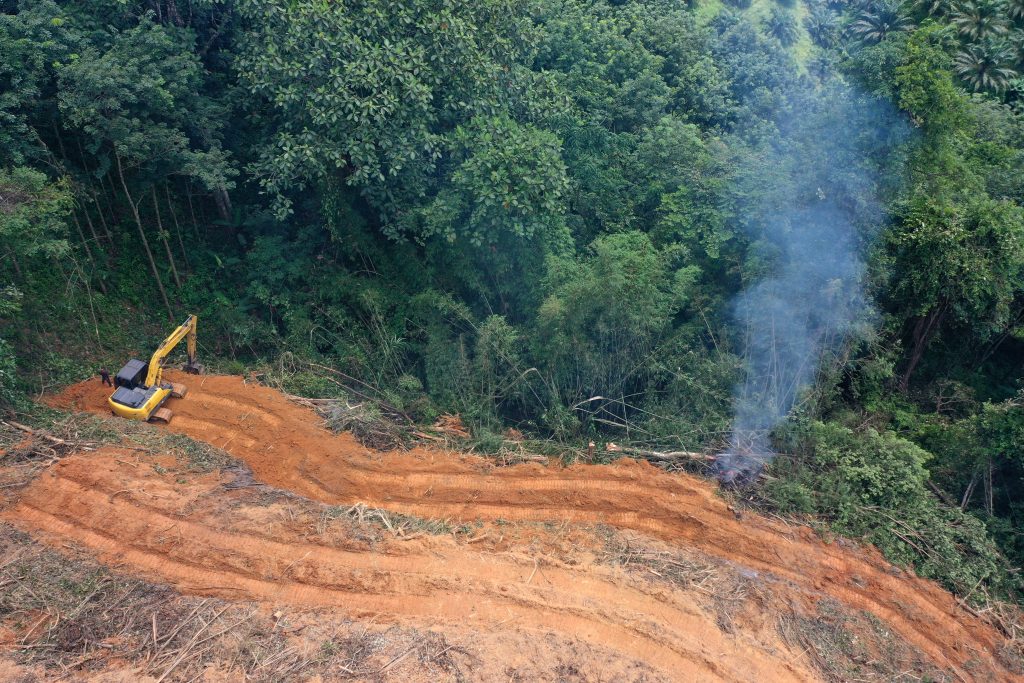
Tulip participated in an capacity-building programme for Malaysian government officials and private-sector representatives, organized by the International Trade Centre (ITC), a joint UN and WTO agency, as part of its broader engagement with Southeast Asian economies on the implications of the EU’s evolving regulatory framework for trade and sustainability.
The engagement took the form of a week-long workshop in Kuala Lumpur designed to provide participants with a comprehensive and practical understanding of two of the most consequential EU regulatory measures affecting Malaysian exporters: the Carbon Border Adjustment Mechanism (CBAM) and the EU Deforestation Regulation (EUDR). Both instruments are expected to have significant implications for Malaysia, given its trade exposure to the EU market and the carbon intensity and forest-risk profile of several key export sectors, including palm oil, timber and wood products, and certain manufactured goods.
The CBAM training module provided participants with a detailed overview of the mechanism’s scope, design, and implementation timeline. It also included practical exercises and case studies to help participants understand how CBAM obligations would affect specific Malaysian export products and supply chains, and explored options for the Malaysian industry to reduce its exposure through decarbonisation investments and carbon monitoring improvements.
The EUDR training module explained the Regulation’s requirements in detail, including the due diligence obligations that apply to operators placing relevant commodities and products on the EU market, the traceability and geolocation requirements, and the risk benchmarking system that classifies countries according to their deforestation risk profile. Particular attention was given to the implications for Malaysia’s palm oil sector, which has historically been a subject of EU concerns regarding deforestation, and to the practical steps that Malaysian producers and exporters would need to take to demonstrate compliance.
Beyond the technical content, the workshop facilitated substantive dialogue between Malaysian officials, industry representatives, and experts, allowing participants to raise specific concerns, share practical experiences of preparing for CBAM and EUDR compliance, and explore potential avenues for engaging with EU institutions on implementation challenges. This participatory dimension was designed to support Malaysia in developing a more strategic and proactive approach to managing the implications of the EU’s green regulatory agenda for its trade and development objectives.
Coordination

Our publications

Our similar projects
-
- Outreach
- Policy Research & Analysis
Aligining EU trade, environment, and development policy
-
- Policy Research & Analysis
- Technical Assistance & Capacity Building
Leveraging Trade, Investment, and Industrial Policy for Circular Textile Value Chains in Jordan
-
- Technical Assistance & Capacity Building
WTO Law and Dispute Settlement: Workshop for Bhutanese Government Officials