These 4 method’s can help solve Ghana’s plastic dilemma
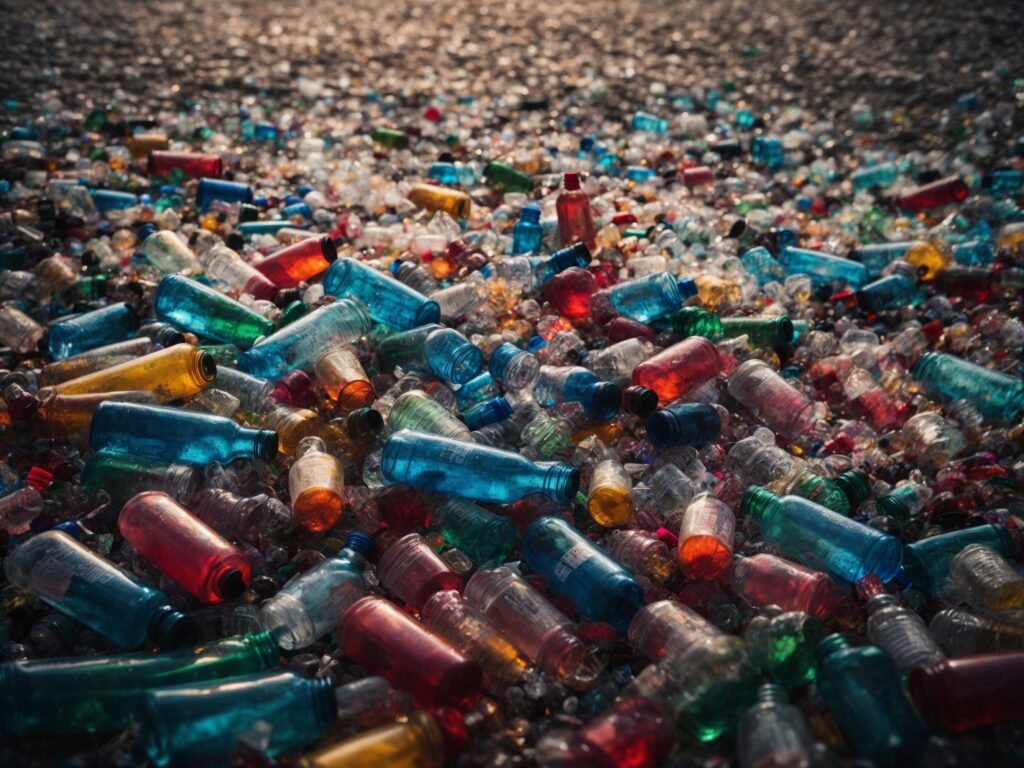
This blog post, published by the World Economic Forum in collaboration with Africa.com, examines how trade policy can support Ghana’s transition toward a more circular plastics economy. Drawing on a study commissioned by the World Economic Forum’s Global Plastic Action Partnership (GPAP), the authors outline four concrete areas where trade policy and domestic interventions could help address Ghana’s plastic waste challenge — a pressing concern given the country’s waste recovery and recycling rates of 12% and 10% respectively, and the fact that single-use plastics account for an estimated 70% of total plastics consumption.
The four areas identified are: strengthening border controls to distinguish between different types of plastic waste imports in line with the Basel Convention; leveraging trade agreements to facilitate imports of goods and services — such as recycling machinery — that support circular economy objectives; reducing non-tariff barriers to improve export market access for circular economy products, including through aligning with international standards and engaging regional frameworks such as ECOWAS and the African Continental Free Trade Area (AfCFTA); and participating in global partnerships and plurilateral initiatives at the World Trade Organization (WTO) for capacity building and the sharing of best practices. The post concludes that Ghana must proactively align its plastic waste management ambitions with its trade agenda, and that an inter-ministerial committee focused on plastic waste and trade could help facilitate this coordination.
This blog post draws on the underlying study, Trade and the Circular Economy: A Deep Dive into Plastics Action in Ghana, jointly commissioned by the Global Plastic Action Partnership (GPAP) and the World Economic Forum’s Platform for Shaping the Future of Trade and Global Economic Interdependence.
Read the full blog post here.
Read the full study here.
Authors
-
 Clem Ugorji
 -