
- Policy Research & Analysis
Trade and Climate Sustainability Brief Series 2026 – LSE & African Climate Foundation
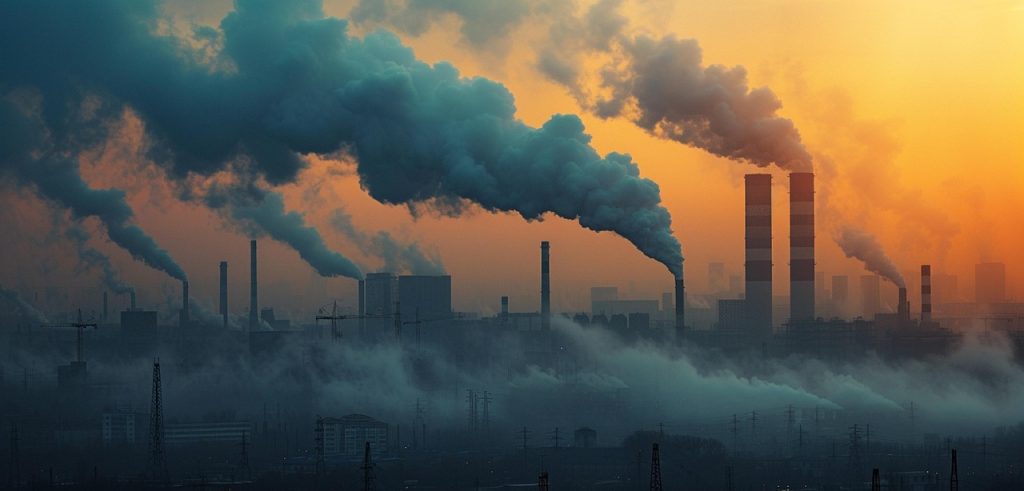
TULIP contributed once again to the annual collection of Briefs on Trade and Climate Sustainability, published by the LSE Firoz Lalji Institute for Africa and the African Climate Foundation. Inspired by a growing recognition that trade and trade policy have a key role to play in advancing planetary sustainability, the collection brings together briefs on topical trade-climate issues as a resource for African policymakers, trade and climate negotiators, private sector and civil society stakeholders, and international partners.
For the 2026 edition, TULIP contributed two briefs. The first, “Beyond the Rhetoric: What the EU and UK CBAMs Mean for African Countries,” examines the evolving landscape of border carbon adjustments and their differentiated implications for African countries. With the EU’s Carbon Border Adjustment Mechanism (CBAM) fully operational since January 2026 and the UK set to launch its own CBAM in January 2027, the brief assesses country- and sector-specific exposure across three time horizons, drawing on case studies from Morocco, Egypt, Mozambique, South Africa, Guinea, Ghana, and Namibia. It finds that CBAM produces markedly uneven outcomes across the continent, driven by differences in production methods, energy sources, and institutional readiness, and sets out recommendations for both African governments and the EU.
The second, “Sustainability at MC14: Outcomes and Implications for Africa,” examines the outcomes of the 14th WTO Ministerial Conference (MC14), held in Yaoundé, Cameroon, in March 2026, only the second time a ministerial conference has been hosted on African soil. The brief first provides an overview of MC14’s key outcomes before zooming in on its sustainability dimension, which fared poorly in the formal negotiations and closed without a ministerial declaration. It finds that the most consequential sustainability developments instead emerged from member-driven plurilateral initiatives — the Trade and Environmental Sustainability Structured Discussions (TESSD), the Dialogue on Plastics Pollution and Environmentally Sustainable Plastics Trade (DPP), and the Fossil Fuel Subsidy Reform (FFSR) dialogue — and assesses what these outcomes mean for African countries. It argues that Africa has significant opportunities to proactively strengthen trade-sustainability linkages at the national, regional, and continental level, even in the absence of formal multilateral progress.
Read the full series here.
Coordination



Quick access
Our publications

Our similar projects
-
- Policy Research & Analysis
Trade and Climate Sustainability Brief Series 2025 – LSE & African Climate Foundation
-
- Outreach
- Policy Research & Analysis
Aligining EU trade, environment, and development policy